New York’s first public AI inventory lists just 19 systems across 13 of the state’s roughly 100 agencies. New reporting identifies known uses missing from the inventory, including AI software used by a nonprofit affiliate to train child-services caseworkers. The disclosed systems range from routine translation tools to ElliQ, an AI companion provided to older adults through the state Office for the Aging.
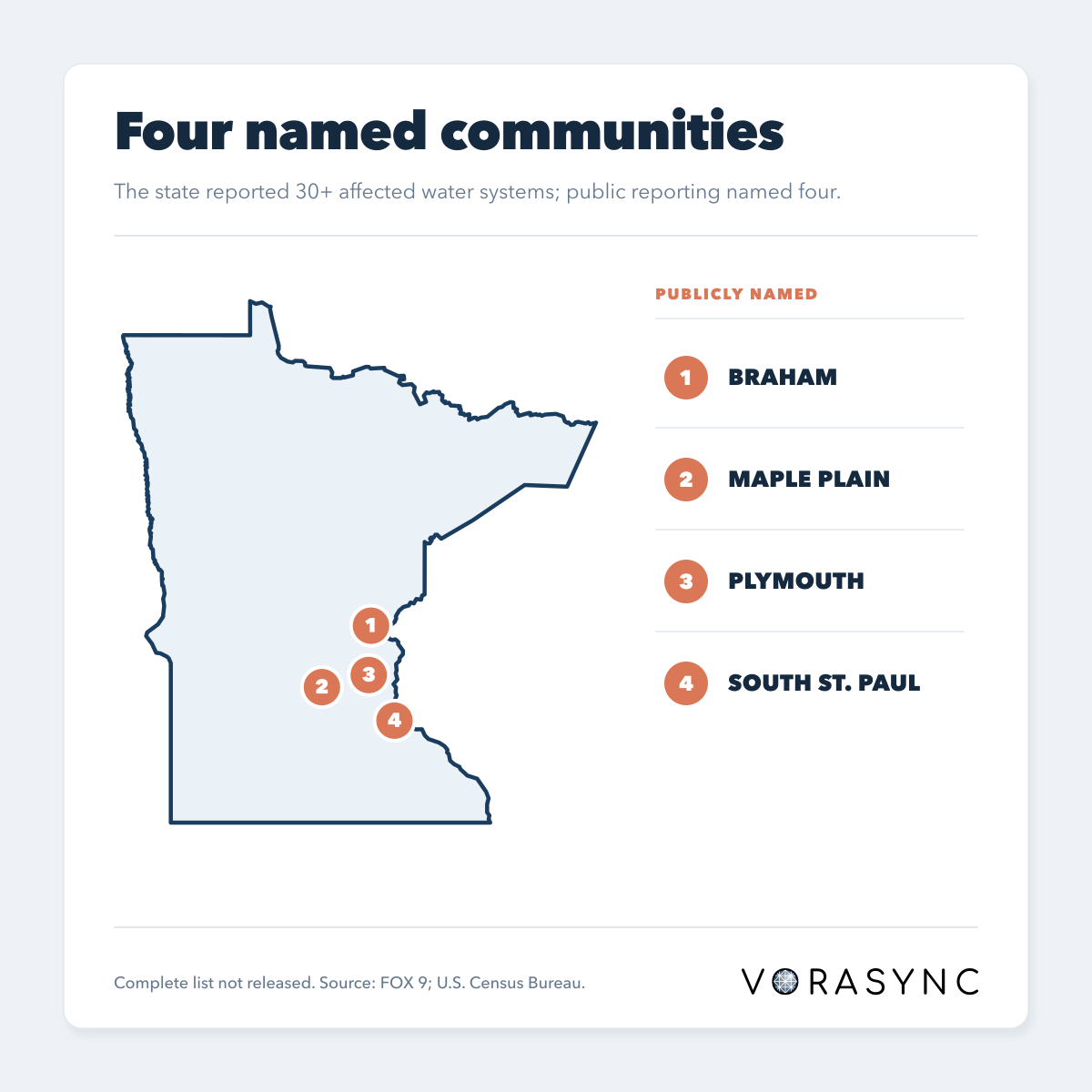
A coordinated cyberattack targeted more than 30 Minnesota water systems from Sunday to Monday, setting off a response involving state agencies, the FBI, the Cybersecurity and Infrastructure Security Agency and local utilities. The New York Times reported Thursday that investigators suspect Iranian hackers and that the activity may have reached other states.
xAI is back in court, but this time the company is not suing a user of its services. On Monday, it asked a federal court in Minnesota to block the Aug. 1 start date of a law it says violates the First Amendment; Chapter 72/HF 1606 would bar companies like xAI from letting users create realistic nudified images. On July 17, Plain Thinking covered xAI suing a user it accused of making sexualized deepfakes. The new lawsuit in Minnesota now challenges a state attorney general’s attempt to regulate platforms.
A new report from University College London promotes an “early case-level digital strategy.” (University College London)
The FCC added most foreign-produced advanced robots and power inverters to its national-security risk list. (FCC)
A UK criminal appeal found that a witness’s preparation with AI can amount to prohibited coaching. (Herbert Smith Freehills Kramer)
Richmond, Virginia, is using cell phone location analytics to measure park activity. (Government Technology)
Kentucky could follow Ohio in having an AI data center installed on a Cold War-era uranium enrichment plant. (Associated Press)
About Plain Thinking
Grant Morgan is an attorney, former prosecutor and former Tribune Publishing reporter who covered Gary, Indiana, and Chicago’s northern suburbs. Plain Thinking covers AI and consequential technology affecting lawyers, police and courts.
Every Tuesday and Friday · Get Plain Thinking by email · LinkedIn
If an issue includes paid placements, they’ll be clearly labeled. Companies don’t pay for editorial inclusion.