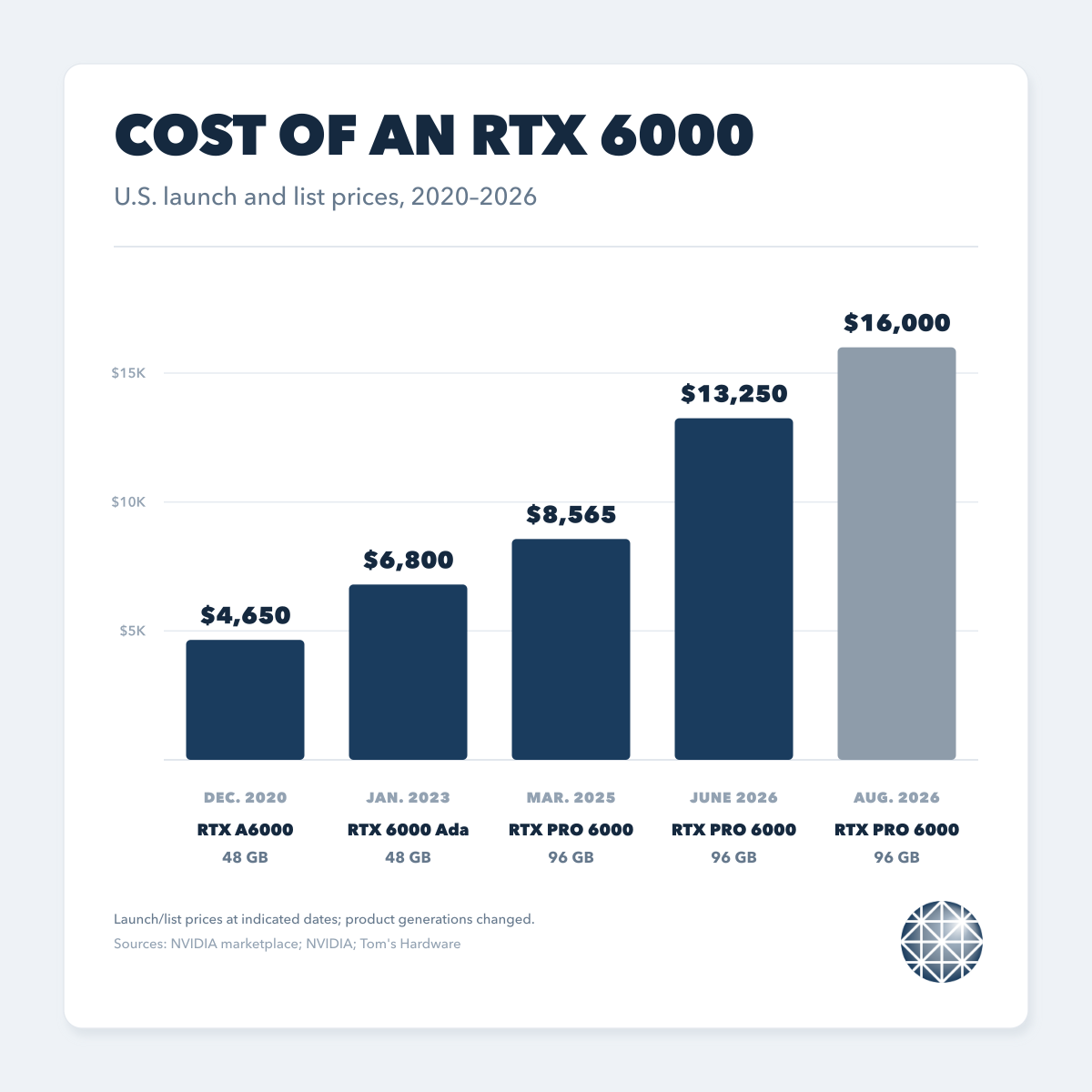
Computer makers are jumping into a new market for machines built to run powerful AI models locally. NVIDIA’s 128 GB DGX Spark platform has already produced compact systems from major PC brands, while Dell, ASUS, and HP are rolling out much larger 748 GB machines built on NVIDIA’s DGX Station architecture. The 748 GB systems are built to run much larger models than the 128 GB machines.
The news comes as the local-model race speeds up. Qwen3.8-27B arrived this month after its predecessor became a favorite among local-model users. DeepSeek V4 Flash 0731 also arrived recently, alongside new models from Kimi and GLM. Paired with an agent harness, models that fit on these machines can work with files, write code and carry out multistep tasks locally.
Drones
Police drones are becoming a normal part of emergency response in some jurisdictions. In July, the FAA said it had approved more than 950 waivers in eight months that make it easier for police, fire and rescue agencies to use them.
Courts have barely addressed this kind of police use. A new Plain Thinking supplement, Federal and State Drone Rulings, contains 17 opinions across 14 appellate cases from around the country. Only two current published decisions—State v. Bradley and State v. Stevens, both from Ohio—directly decide constitutional challenges to police drone use. Both decisions upheld the flights before them.
Starting next year, the NYPD will be required to publicly report confirmed gunfire incidents even when no one is struck. (Police1)
Maryland is replacing swipe-only EBT cards with chip-and-tap as a fraud prevention measure. (WTOP News)
FBI data show the U.S. homicide rate falling back to a level not seen in 70 years. (Associated Press)
A Virginia sheriff’s office suspended access to its ALPR system, citing privacy, constitutional, data-access and retention concerns. (WSET)
U.S. Special Operations Command is planning to test iris scanning with Android phones. (Biometric Update)
A Florida sheriff's office bought Meta smart glasses for ICAC investigations. (Miami New Times)
A former criminal defendant is suing Amazon over the 2021 facial recognition match that allegedly led to his wrongful arrest. (Complaint)
The U.S. administration is exploring a ChatGPT-style interface for searching and analyzing homeland-security evidence. (ICE/HSI)
Summit County, Ohio, now has AI participating during emergency calls. (News 5 Cleveland)
NIST launched a public, version-aware reference catalog for the myriad digital artifacts that apps leave on devices. (NIST)
California ordered every state agency to have an AI security officer, citing funding rollbacks on several national programs previously in use. (Office of Governor Gavin Newsom)
Ten child-welfare jurisdictions could get a combined $6 million to test predictive analytics. (StateScoop)
Wichita, Kansas, is looking to stream school panic alerts directly into the police department’s real-time crime center. (City of Wichita)
NIST is asking industry and the public how it can update its software vulnerability database for the AI era. (Federal Register)
About Plain Thinking
Grant Morgan is an attorney, former prosecutor and former Tribune Publishing reporter who covered Gary, Indiana, and Chicago’s northern suburbs. Plain Thinking covers AI and consequential technology affecting lawyers, police and courts.
Every Tuesday and Friday · Get Plain Thinking by email · LinkedIn
If an issue includes paid placements, they’ll be clearly labeled. Companies don’t pay for editorial inclusion.