Over four days last week, investigations into Flock camera searches produced felony charges in Wisconsin, four arrests in Georgia, a resignation in Ohio, an officer placed on leave in Illinois, and a resignation and the shutdown of Flock cameras in Missouri.
The same week, other reviews showed that the problem is not always personal misuse. McDonough, Georgia, found all 32 searches it examined were legitimate. But Henrico County, Virginia, discovered that ten fire investigators had access despite a state law that excluded them. Their searches were for legitimate investigations, the county said, yet prosecutors will not use the evidence in five criminal cases.
Public debate over the technology is rising as its scale becomes clearer. An August summary of Troy, New York, police records counted more than 25 million scans from 26 Flock cameras in 159 days and more than 12 million searches of Troy’s data by outside agencies over roughly two years. At least one jurisdiction in Missouri has proposed limiting data sharing to agencies without a history of misuse or that have taken corrective action.
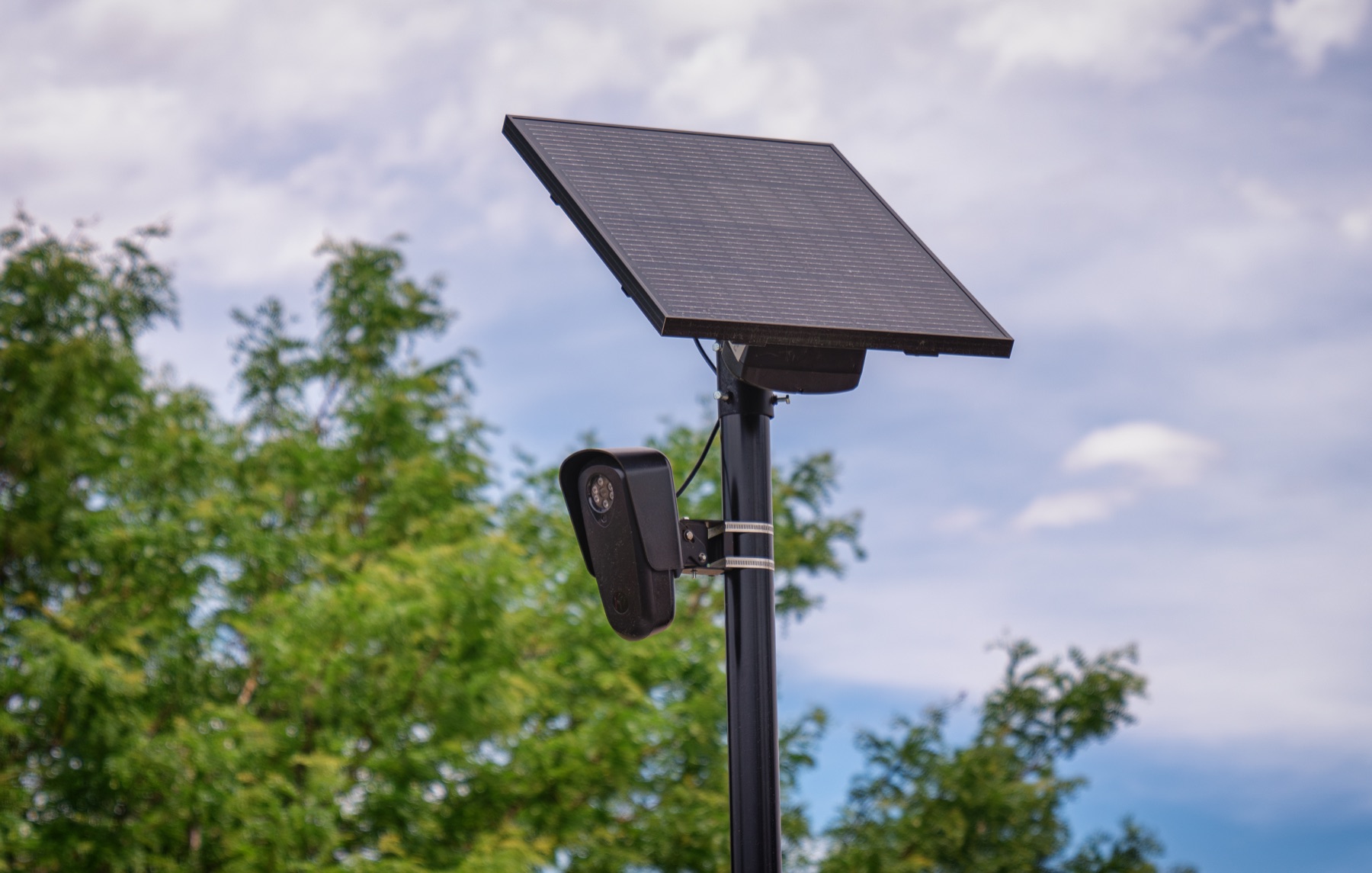
A Flock Safety automated license plate reader in Aurora, Colorado, June 27, 2024. The large black panel powers the camera with solar energy. Photo: Tony Webster / Wikimedia Commons, CC BY 2.0.
Governance & Regulation
Something extraordinary is happening in Minnesota. Since August 1, a company can face up to $500,000 each time someone uses its software to create a realistic nude image of an identifiable person, even if the image is never shared or the person agreed.
The law grew out of a case involving roughly 80 women whose Facebook photos a man used with DeepSwap to create pornographic images and videos. Reports to police and the FBI did not lead to criminal charges.
Minnesota law already punished people who shared synthetic sexual images, but not people who created them and kept them private. During the final debate over this bill, lawmakers rejected three attempts to create criminal penalties for the people producing the images. They passed the company-focused law without them.
xAI is now suing Minnesota, arguing that the law violates the First Amendment. A federal judge is considering whether to block it. The next hearing is scheduled for November 5.
A Virginia county is using one AI system to filter sensitive information from employee prompts before sending them to other AI systems. (Route Fifty)
NIST is cataloging multi-cloud security problems and publishing AI prompts for cybersecurity assessments. (NIST)
The federal government set new rules for when AI-assisted work must be saved. (National Archives)
The U.S. administration is signaling that future federal badges and door readers will need quantum-resistant security. (GSA)
Taiwanese prosecutors charged nine people, including managers at Nvidia and Super Micro, over a scheme to divert AI servers to China. (Ars Technica)
Thomson Reuters spent $40 million adapting a Chinese AI model for legal work. (Thomson Reuters)
Axon’s latest software release adds people detection and video stabilization to certain products. (Axon)
About Plain Thinking
Grant Morgan is an attorney, former prosecutor and former Tribune Publishing reporter who covered Gary, Indiana, and Chicago’s northern suburbs. Plain Thinking covers AI and consequential technology affecting lawyers, police and courts.
Every Tuesday and Friday · Get Plain Thinking by email · LinkedIn
If an issue includes paid placements, they’ll be clearly labeled. Companies don’t pay for editorial inclusion.