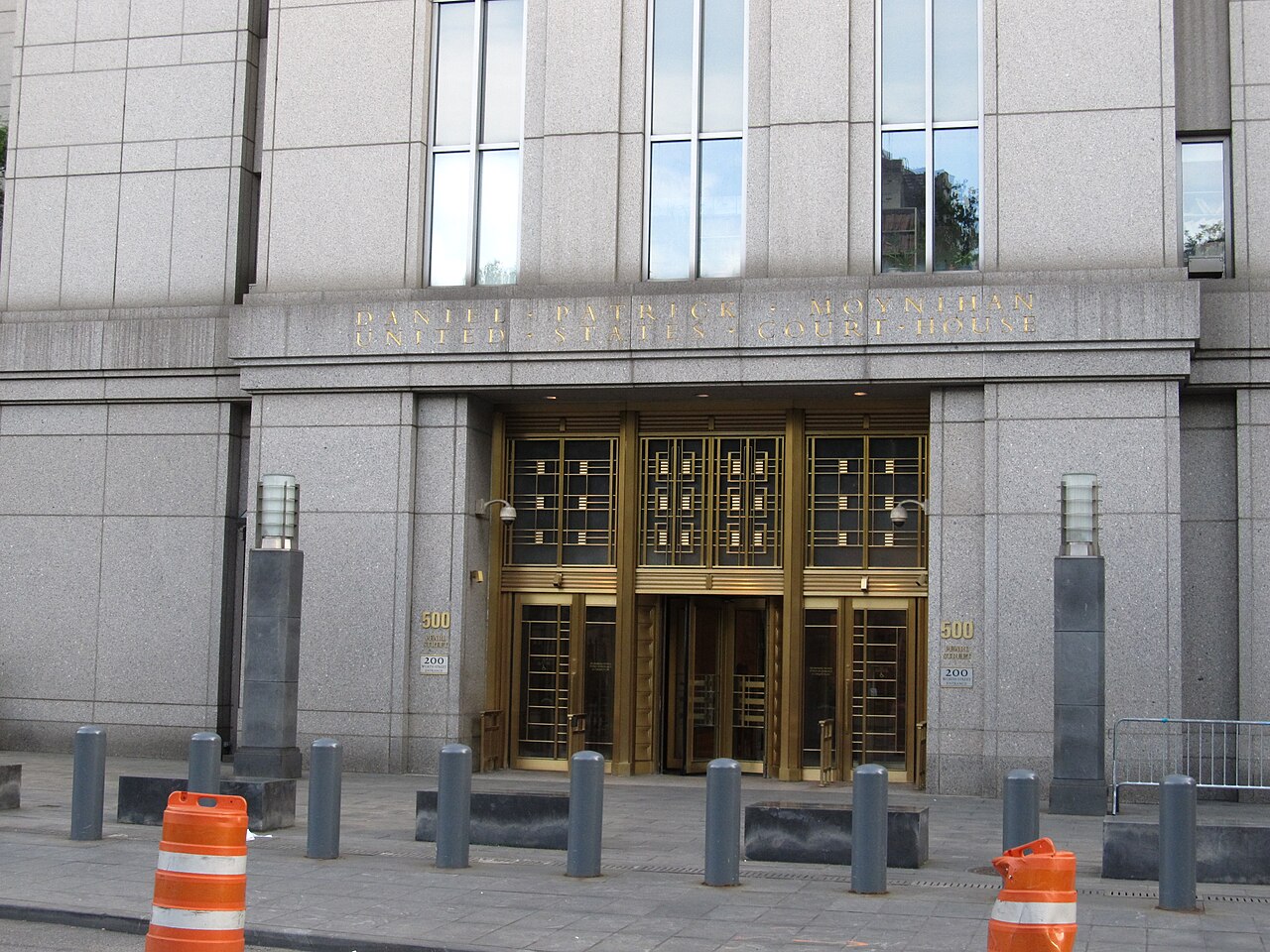
The Daniel Patrick Moynihan U.S. Courthouse in Manhattan. Photo: Ken Lund / Wikimedia Commons, CC BY-SA 2.0.
Federal prosecutors proposed limits last month on the defense team’s use of AI in a New York criminal case. This week, they agreed to limits on their own use, too. The prosecution’s original proposal barred submitting discovery to publicly accessible versions of tools such as ChatGPT and Google Gemini, while allowing systems that protect confidentiality, exclude the material from model training and remove it when the case ends. After more than a month of negotiations, defense lawyer Donna Newman asked the court to order the government to begin producing discovery. Judge Laura Taylor Swain declined both sides’ requests and directed further discussions.
In a September 7 filing, prosecutors reported an agreement and said they would begin producing discovery the following week. The revised proposal adds restrictions on prosecutors’ use of AI with materials supplied by the defense. Each side would have to protect the other’s material: defense lawyers when reviewing prosecution discovery, and prosecutors when reviewing defense disclosures. Both could use AI subject to confidentiality, training and deletion restrictions.
Cyber

China’s flag in Beijing. Photo: Daderot / Wikimedia Commons, public domain.
Researchers working with AI built an attack against WeChat that once would have required a larger team and months of work, according to security firm Calif. The target was China’s “everything app,” used for conversations, payments and everyday services. The attack could spread from one account to another through calls the recipients never had to answer. Calif says Tencent has since blocked the attack for all users.
In Other News
Honolulu’s first drone arrest caught a suspect hiding by a freeway off-ramp. (Hawaii News Now)
Columbus police are updating their rules for police technology, including surveillance, at the end of the month. (ABC 6)
A retired Nashville judge says a defense attorney used AI to generate questions on the fly (and most didn’t pass muster). (The Tennessean)
Whether your litigation-related ChatGPT conversations stay protected may depend on who used the tool and at whose direction. (Wisconsin Law Journal)
A Chinese company’s U.S. subsidiary shipped billions in advanced equipment to Southeast Asian businesses serving China’s tech industry despite restrictions on its parent. (New York Times)
About Plain Thinking
Grant Morgan is an attorney, former prosecutor and former Tribune Publishing reporter who covered Gary, Indiana, and Chicago’s northern suburbs. Plain Thinking covers AI and consequential technology affecting lawyers, police and courts.
Every Tuesday and Friday · Get Plain Thinking by email · LinkedIn
If an issue includes paid placements, they’ll be clearly labeled. Companies don’t pay for editorial inclusion.