The Supreme Court on Monday said police conduct a Fourth Amendment search when they obtain Google Location History data through a geofence warrant. The case, Chatrie v. United States, did not decide whether the warrant in the underlying investigation satisfied probable cause or particularity. In Supplement 05, Plain Thinking explains what the ruling does and does not decide, why it still matters after Google’s Location History change, and how the fight now shifts from whether the Fourth Amendment applies to whether the warrant was good enough.
Until July 15, 2026, the DEA is holding hearings on whether marijuana should be federally reclassified from Schedule I to Schedule III. The move would not legalize recreational marijuana on the federal level, but it would ease research barriers and change tax schemas. Meanwhile, search-and-seizure questions continue to play out primarily on the state level.
London’s police force will continue an AI pilot that profiles officers and staff to flag misconduct risks. (Metropolitan Police)
Kansas City’s transit agency plans to roll out watchlist-based face matching on some bus security cameras. (KCUR)
A California legal-tech company is suing Anthropic for cutting off access to an advanced AI model earlier this month, a first-of-its-kind lawsuit. (The Next Web)
Police in Idaho are expanding use of an AI-powered report assistant. (GovTech)
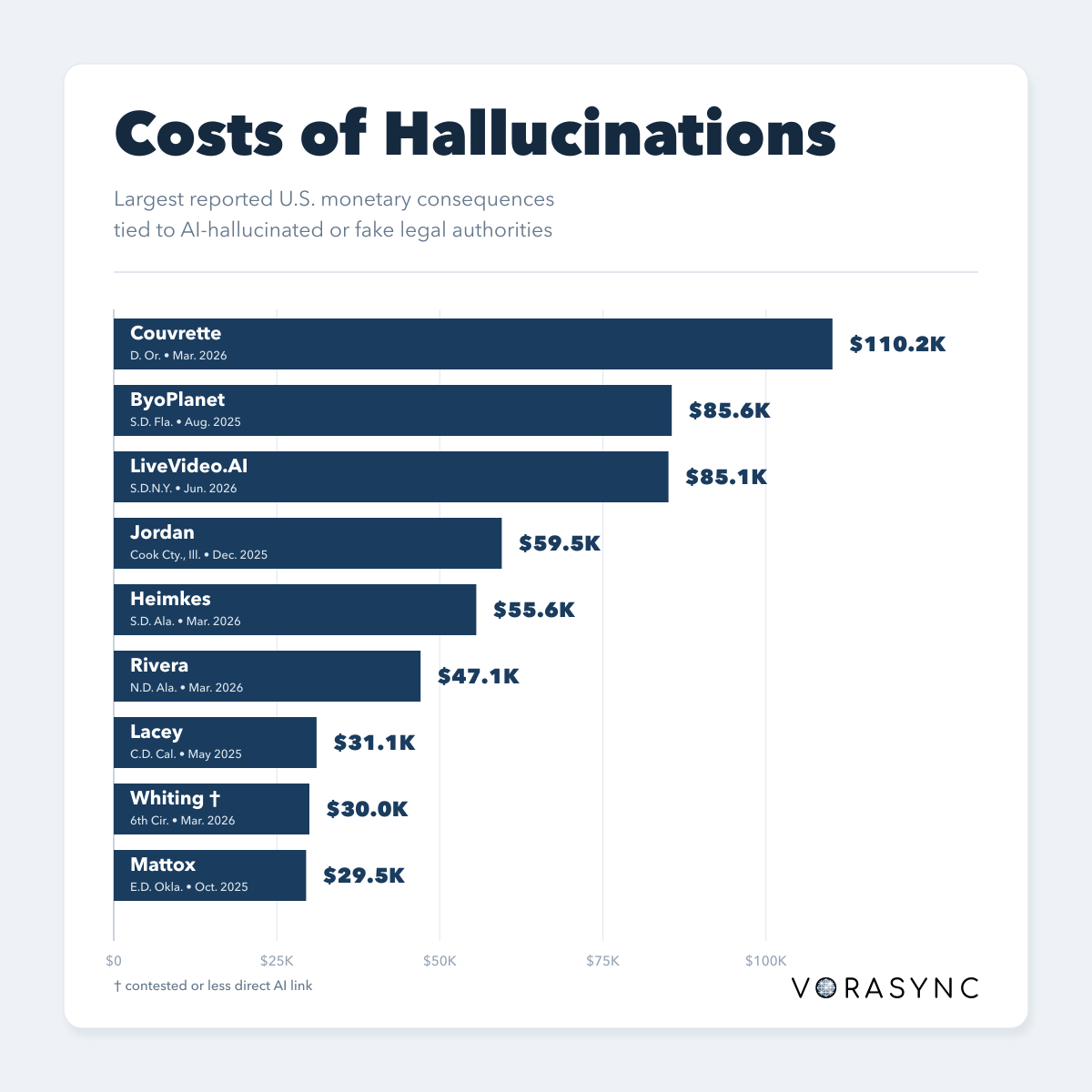
Attorneys in New York and Michigan are in the spotlight for AI hallucinations. (New York courts / ICLE)
Security testers report finding a disproportionate number of high-risk vulnerabilities in AI features bolted onto existing systems. (Business Wire)
About Plain Thinking
Grant Morgan is an attorney, former prosecutor and former Tribune Publishing reporter who covered Gary, Indiana, and Chicago’s northern suburbs. Plain Thinking covers AI and consequential technology affecting lawyers, police and courts.
Every Tuesday and Friday · Get Plain Thinking by email · LinkedIn
If an issue includes paid placements, they’ll be clearly labeled. Companies don’t pay for editorial inclusion.