Local AI · Office control

Local intelligence for prosecutor offices.

AI runs on hardware your office controls, working only from the material you choose.

Axon · 2025

What justice professionals are weighing.

Axon surveyed nearly 400 prosecutors, public defenders and investigators across the U.S.

say AI can contribute to more effective case management

are concerned about AI accuracy

are worried about AI-tool security

worry implementation could cause evidence to be deemed inadmissible

Source: Axon, 2025 AI in Justice Trends Report. Survey reference only. Axon does not endorse VORASYNC.

Early local prototype

A case file the prosecutor controls.

Select the materials. Work through them locally in one continuing session. Existing office systems and professional judgment remain in place.

Application view · Fictional demonstration

Fictional case file · 22 pages · Four reports
01Materials selected
Two selected reports at the start of a fictional VORASYNC case-file session.
02Same session, later
Four selected reports with work continuing later in the same fictional case-file session.

A fictional 22-page case file at two points in one continuing session. The view is cropped around the selected materials and working conversation.

Founder film · 2:08

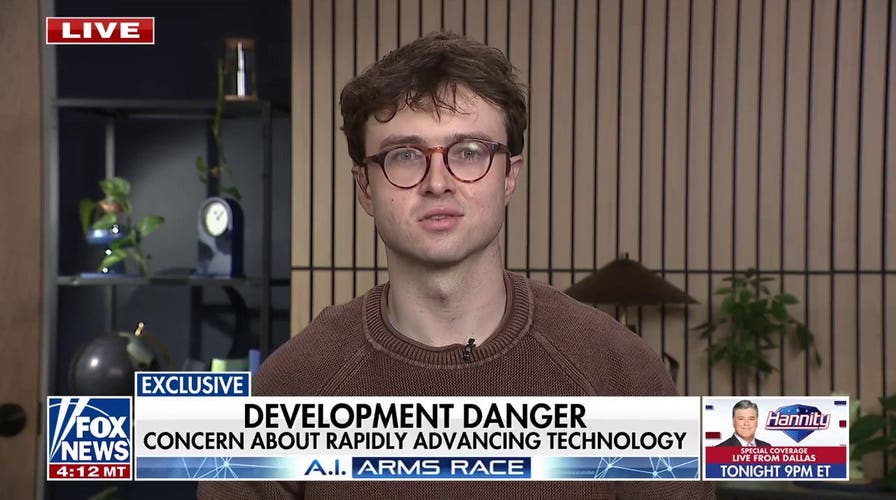
A note from Grant Morgan.

Founder film · 2:08

Transcript

Prosecutors are high-consequence professionals working under immense pressure. The number of cases, the volume of evidence, the complexity, it’s all grown. And there’s still only 24 hours in a day. Modern AI can help.

The problem is that prosecutors hold extraordinarily sensitive information. They can’t treat that information like ordinary consumer data and casually feed it into a cloud-connected tool like everyone else. That is why local intelligence matters.

The AI is on the computer in front of you. You put the PDFs that you choose onto that computer. You ask questions, and it gives you answers from those materials. Nothing gets uploaded. Nothing goes to a remote server. The information never leaves the machine.

That might mean working with the reports that you need for tomorrow’s hearing, working through a cross-examination, or just quickly locating information that’s buried in hundreds of pages of reports. The prosecutor decides what goes in. The prosecutor remains responsible for the work. And the office retains control over all the information and all the data.

I’ve spent months testing local AI models, computers, and workflows under the real constraints that a prosecutor’s office would face. I’ve also built a simple app that demonstrates what this work looks like. It’s simple, but it works. And an office can begin testing this kind of technology on a computer that they own tomorrow.

If you work in a prosecutor’s office and want to see it, I would love to hear from you. Visit VORASYNC.ai to see some examples of what this work looks like. And also sign up for our newsletter, Plain Thinking. Until next time, thanks for tuning in.

The publication

VORASYNC Plain Thinking

A twice-weekly briefing on how AI is changing prosecution, evidence, investigations, policy, and courtrooms.

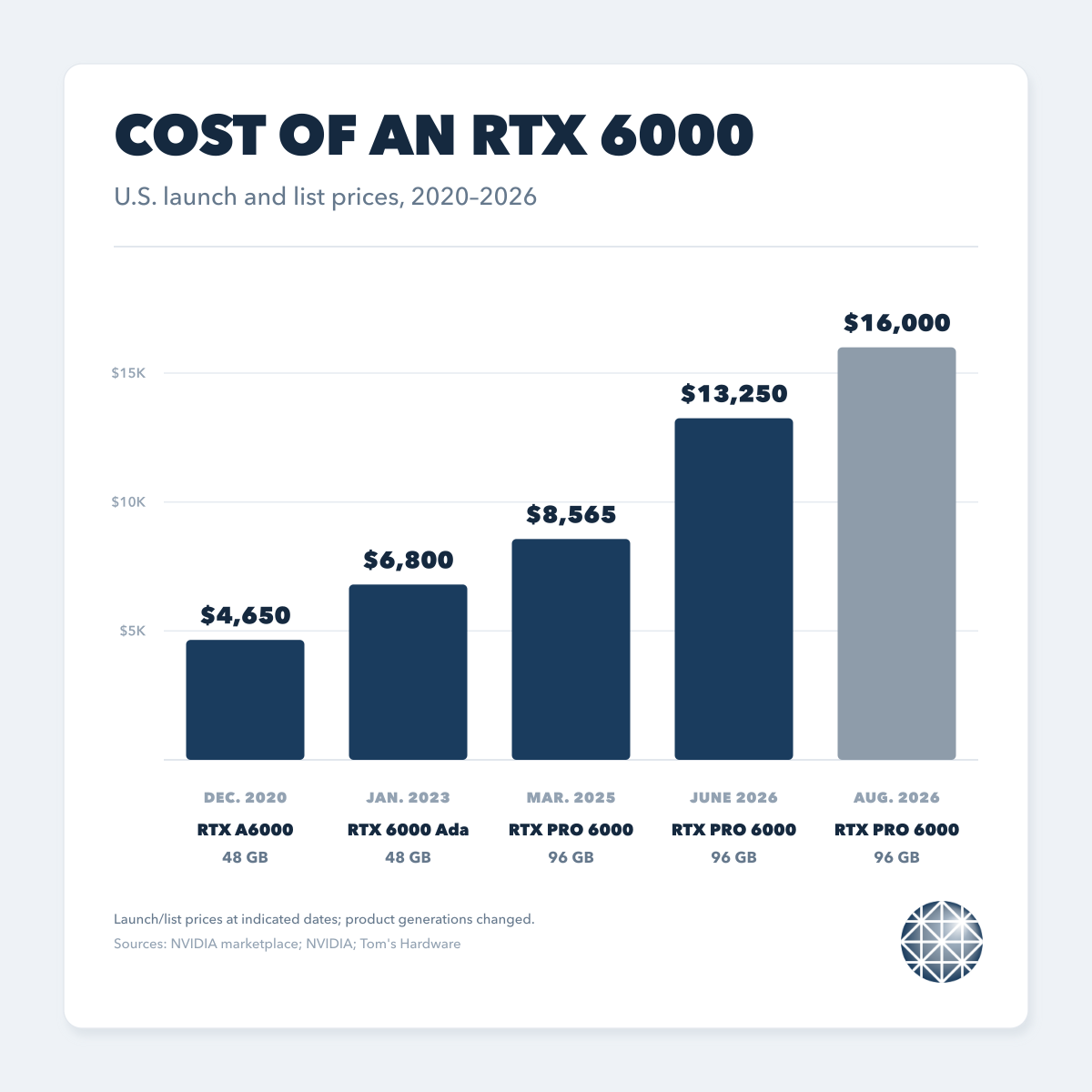
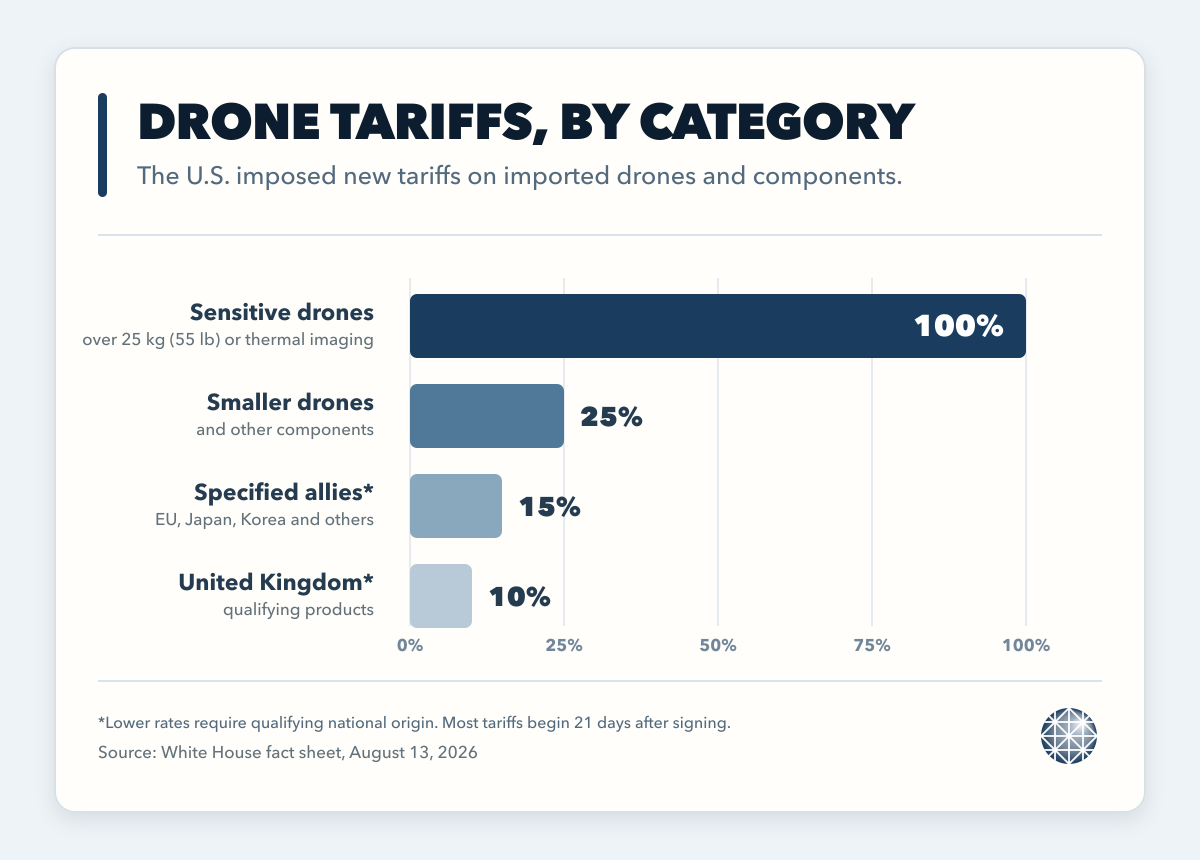
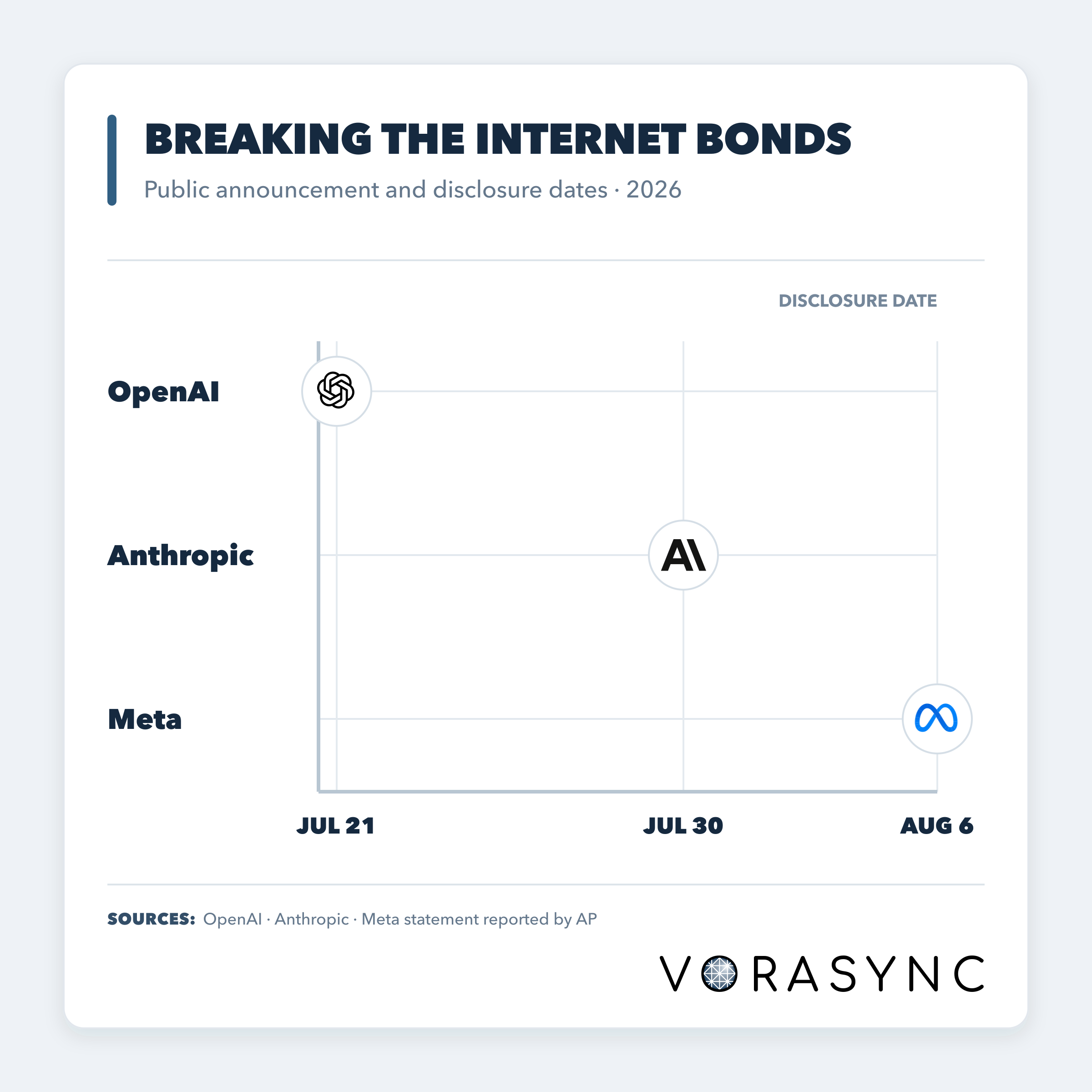
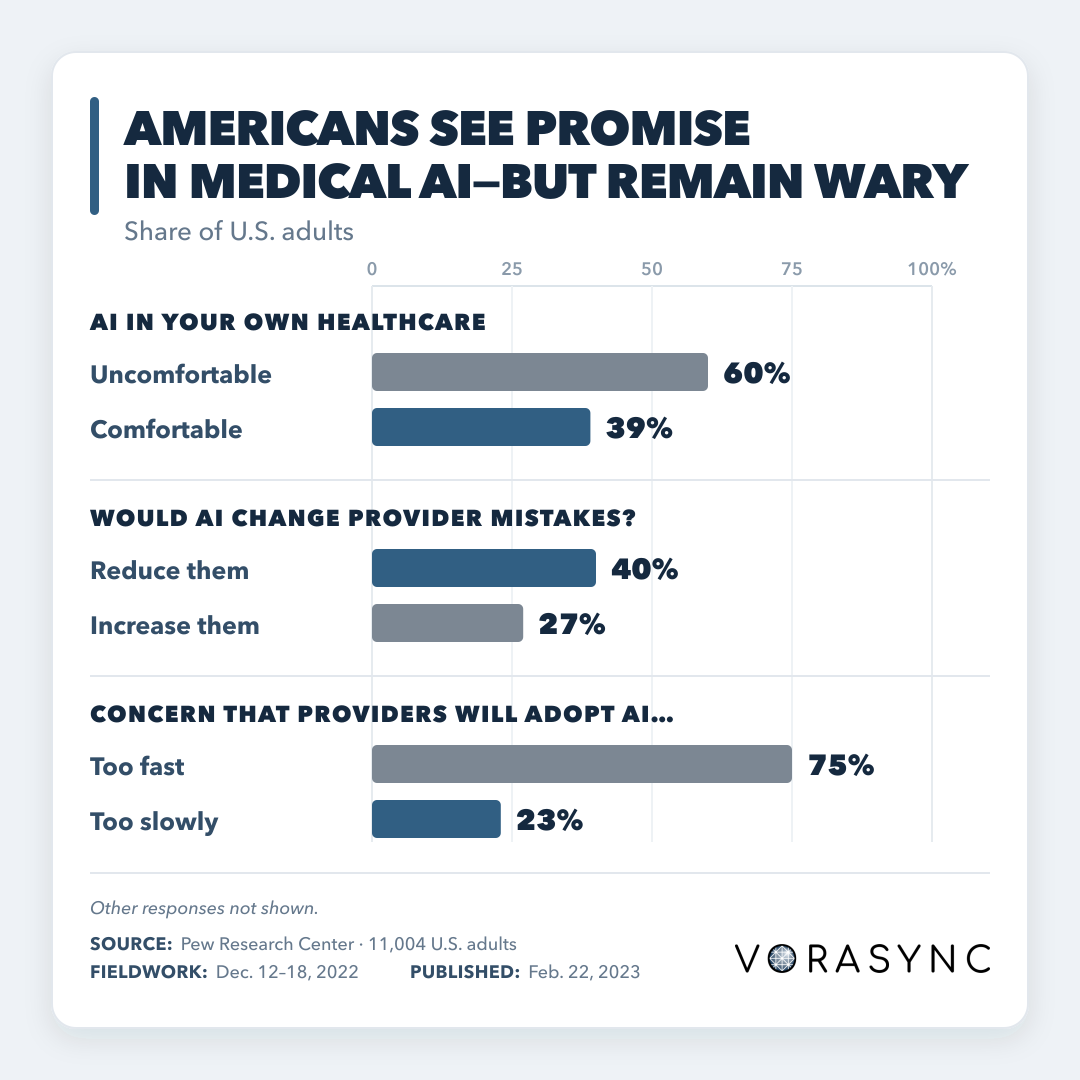
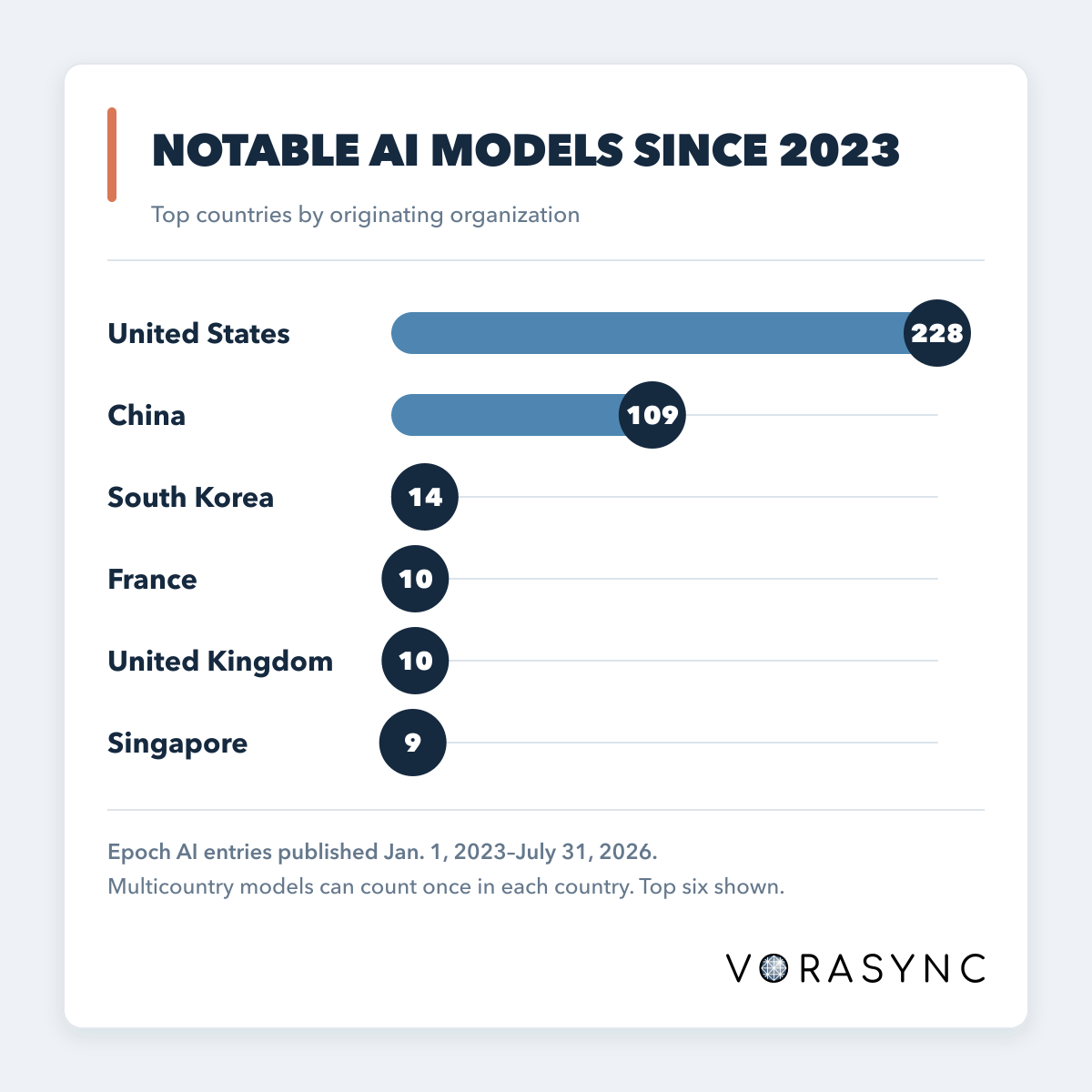
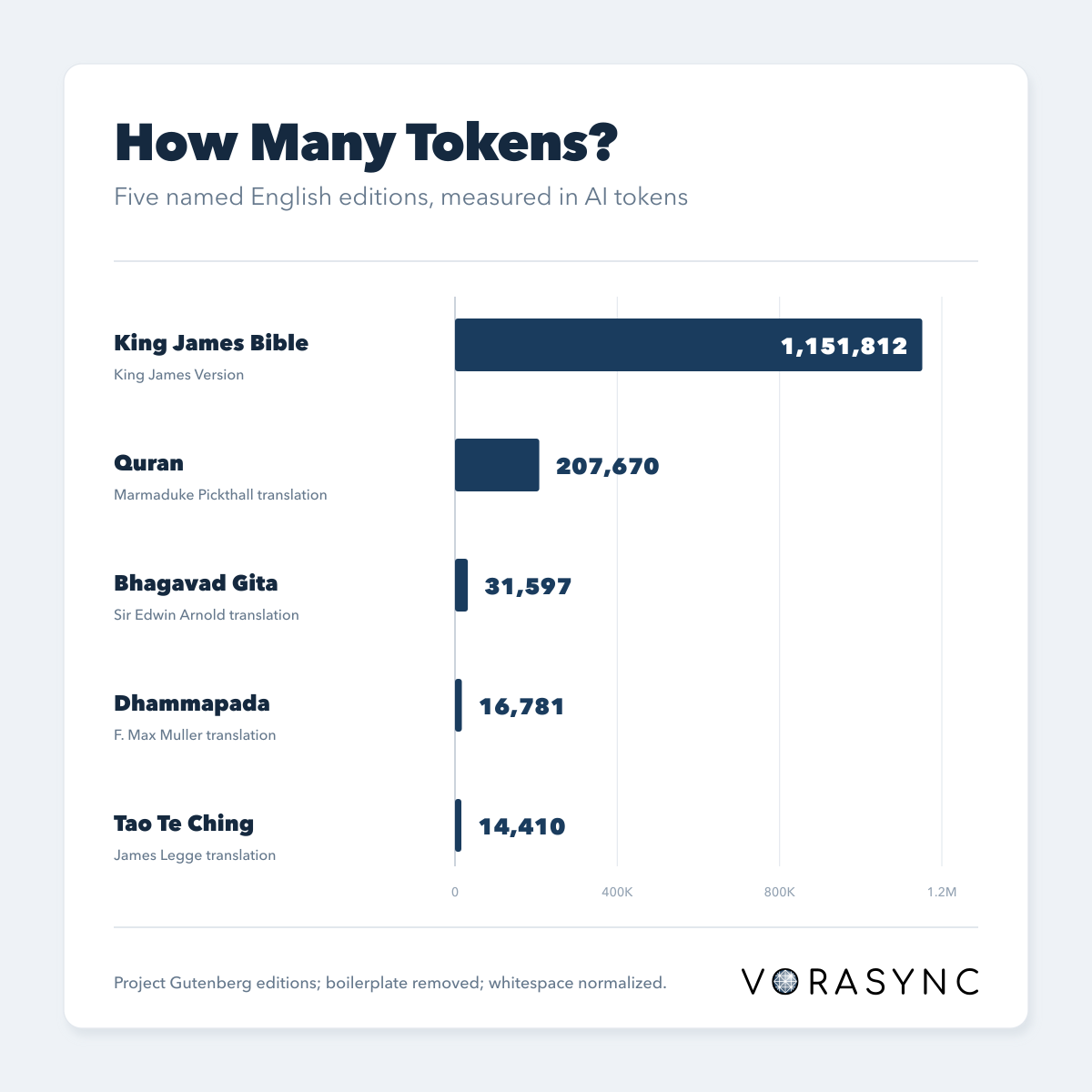
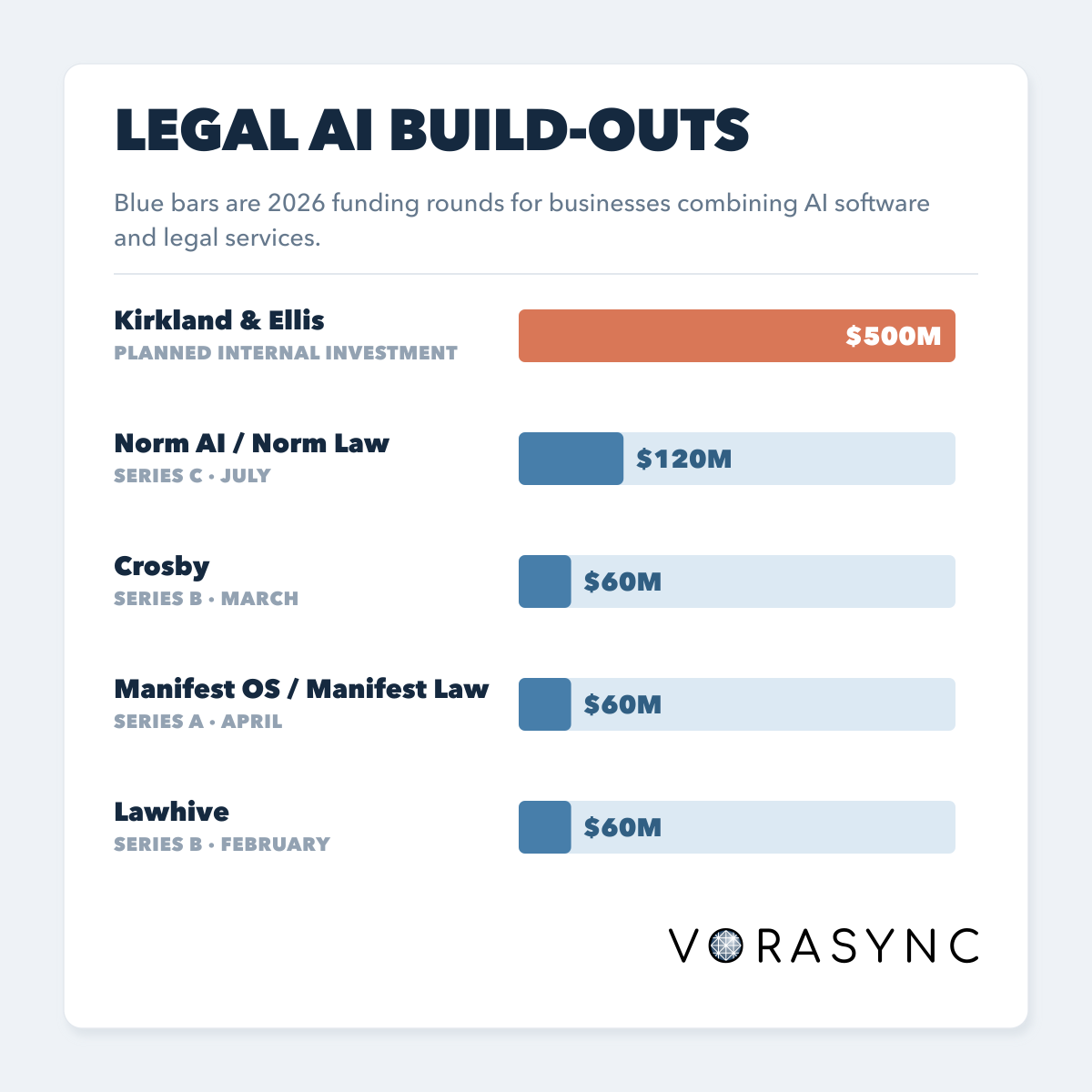
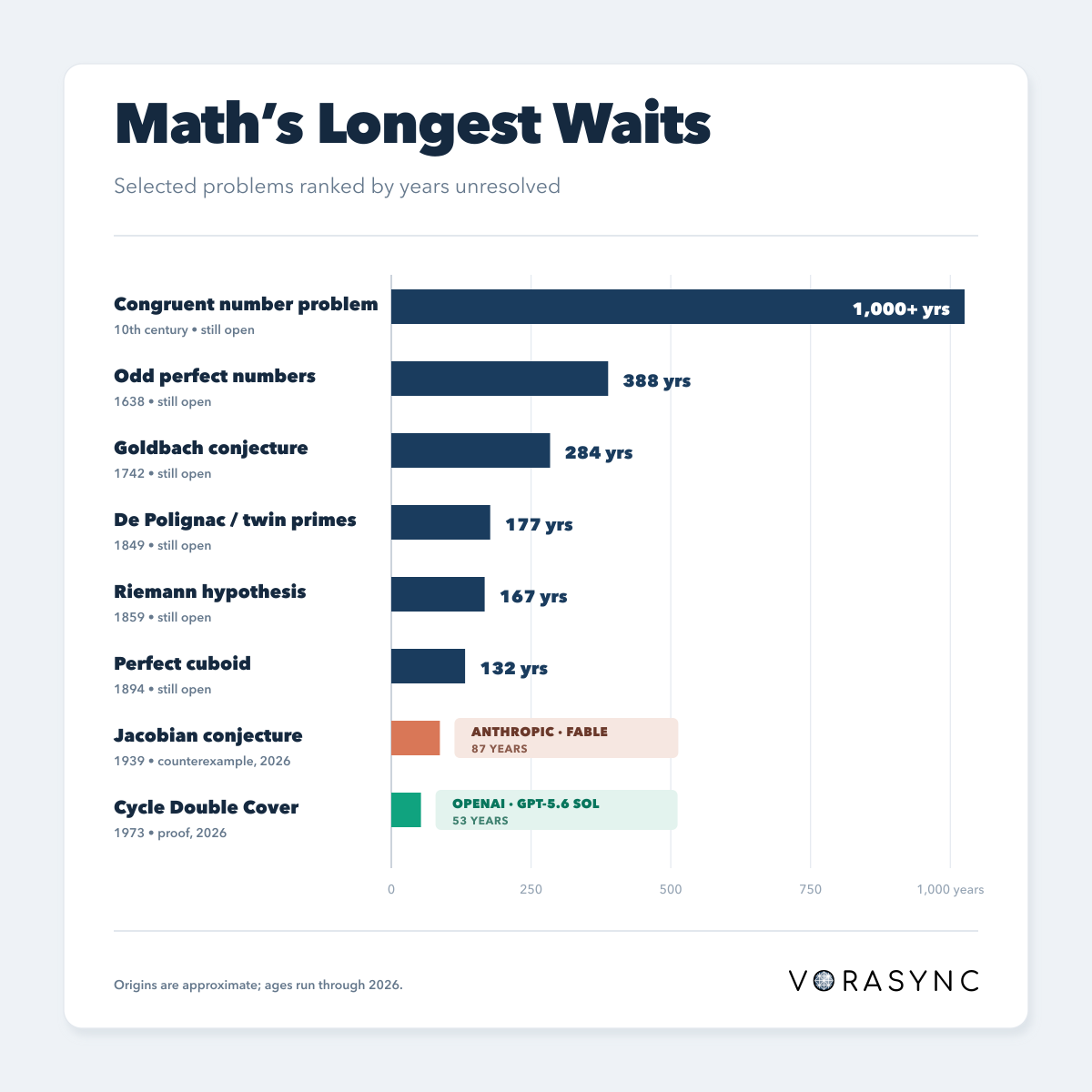
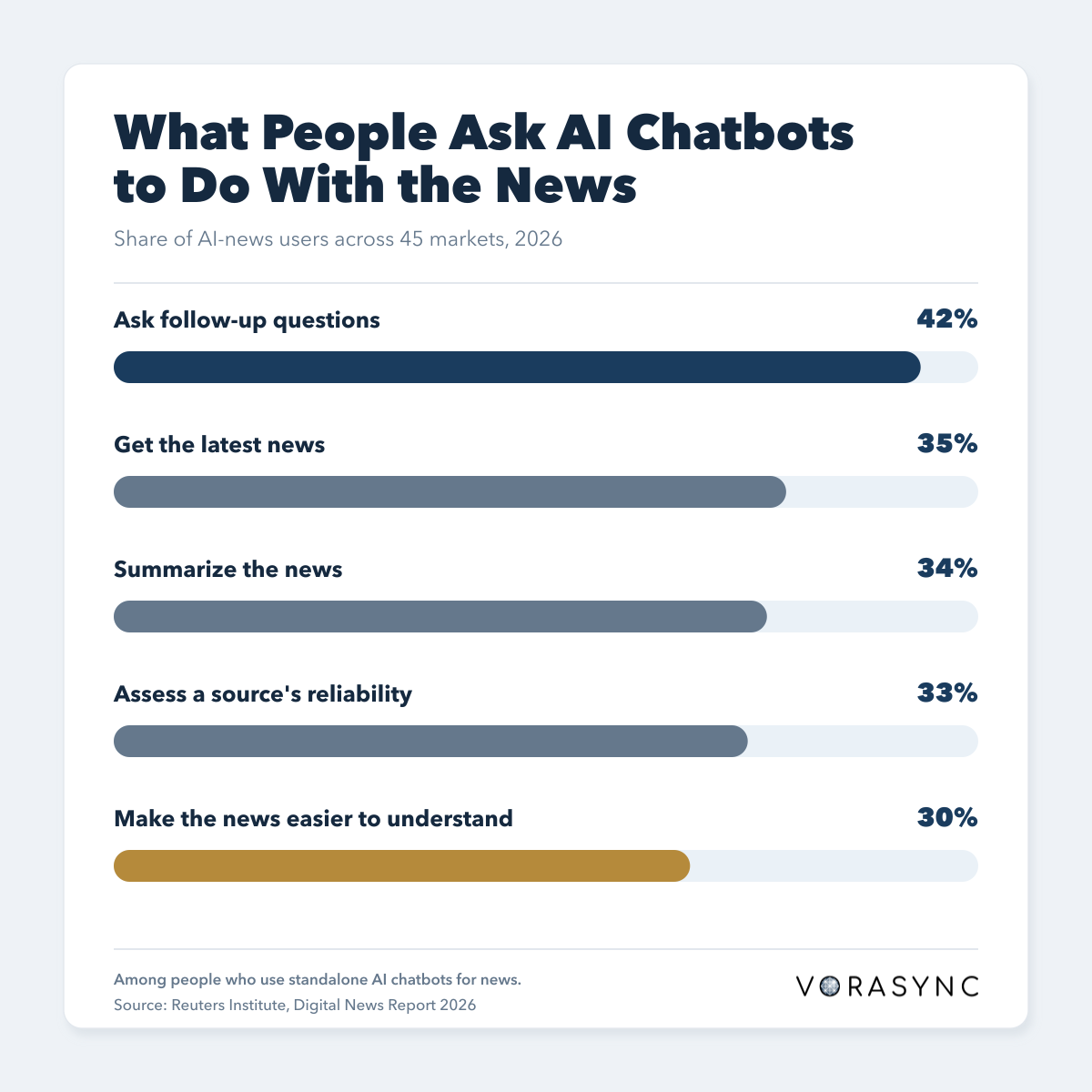
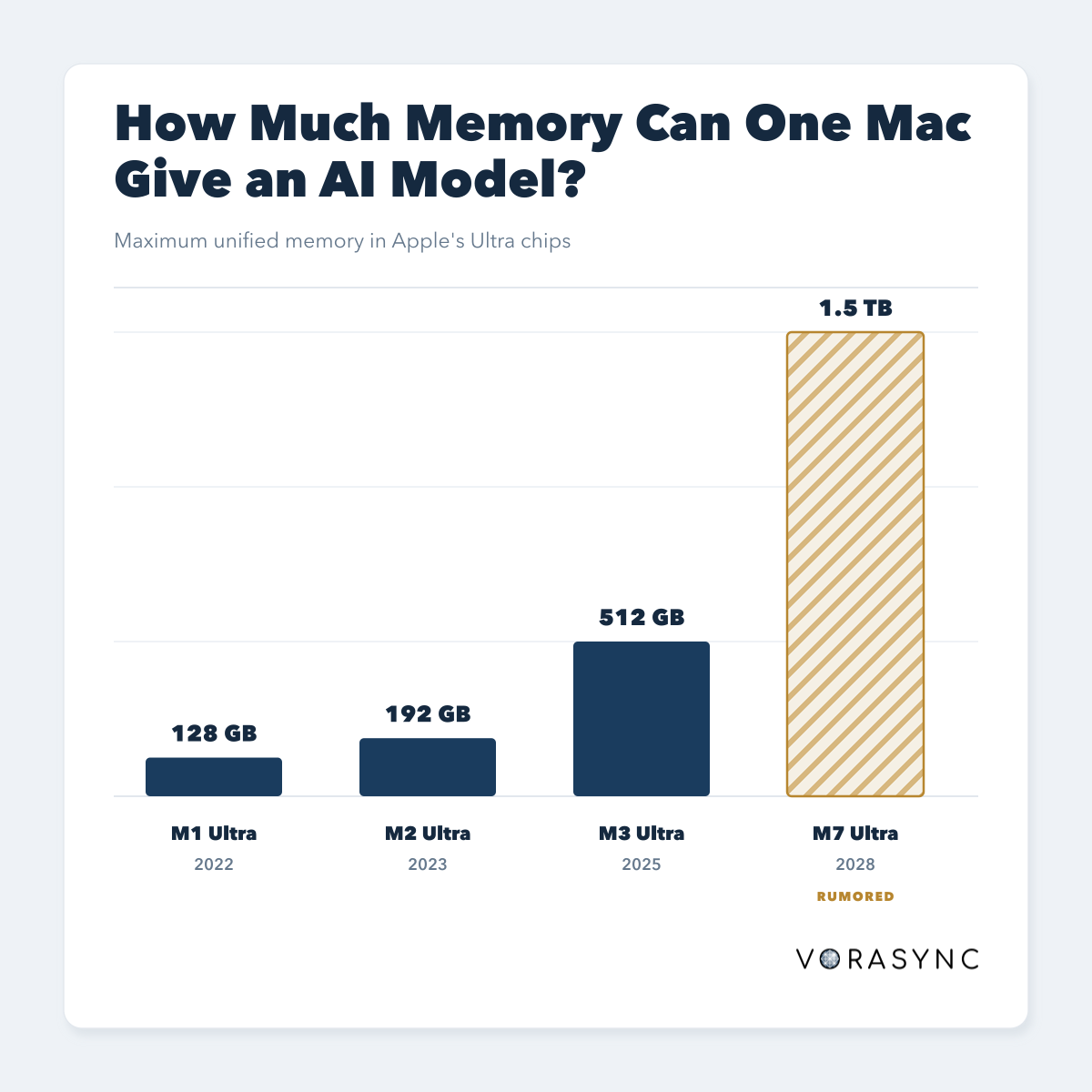
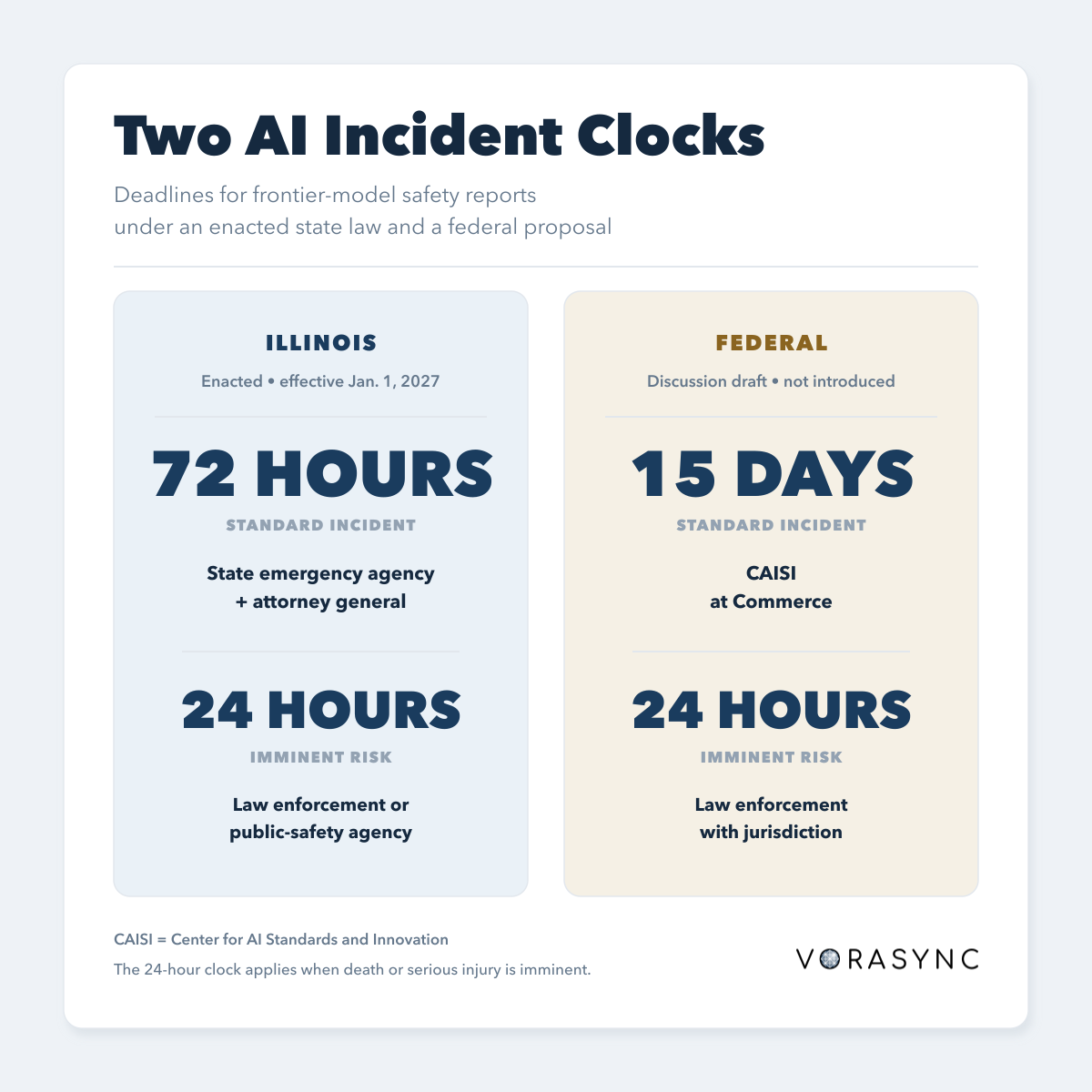
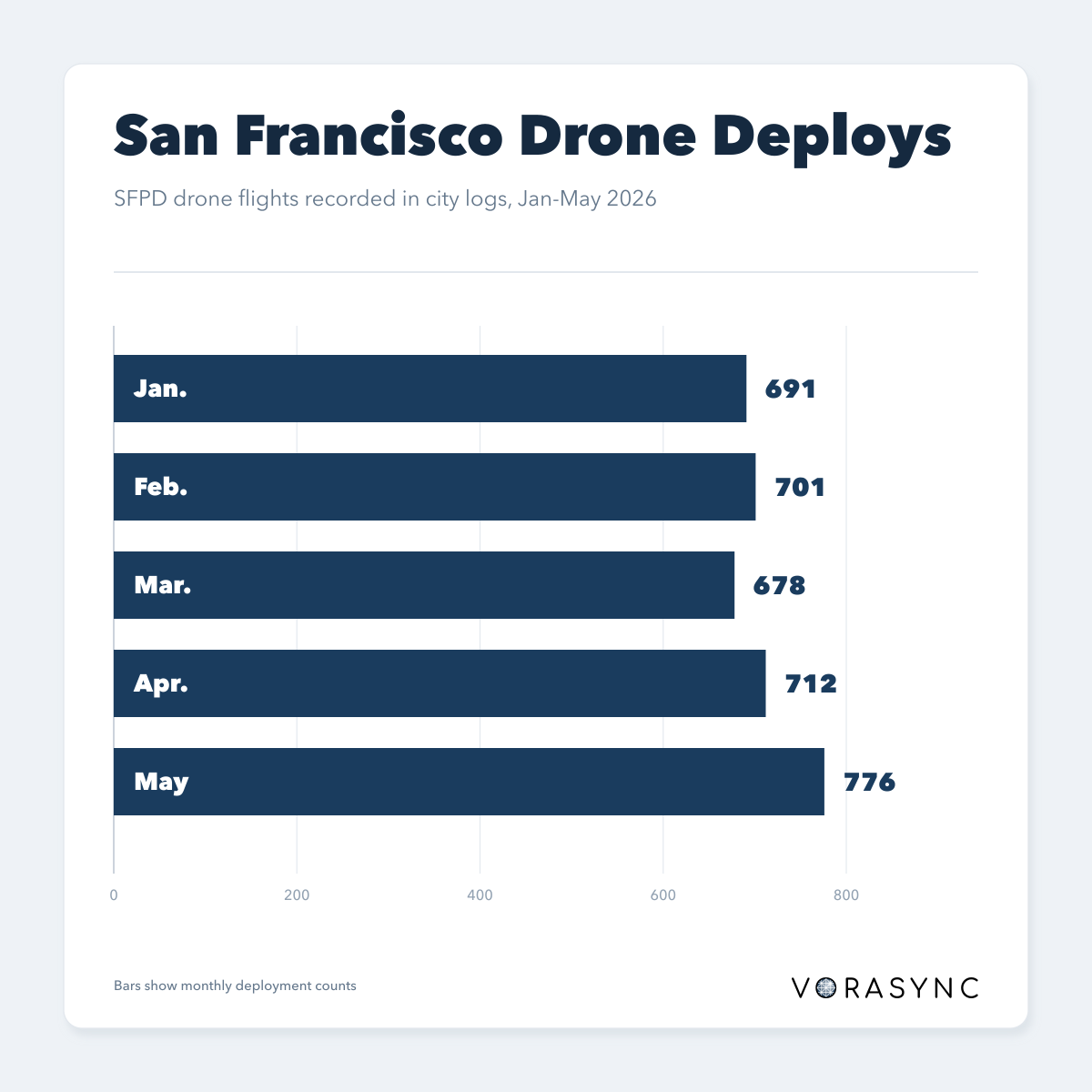
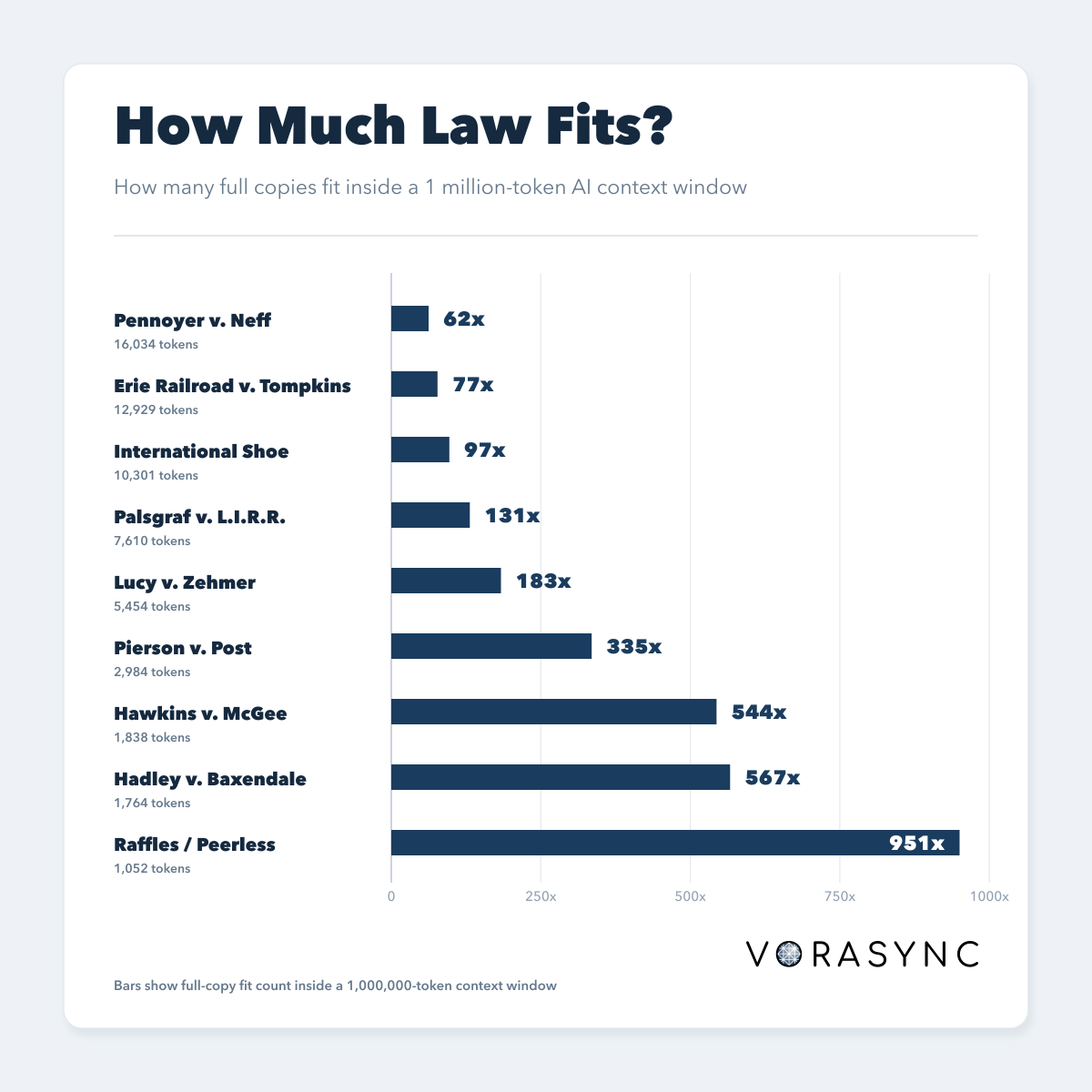
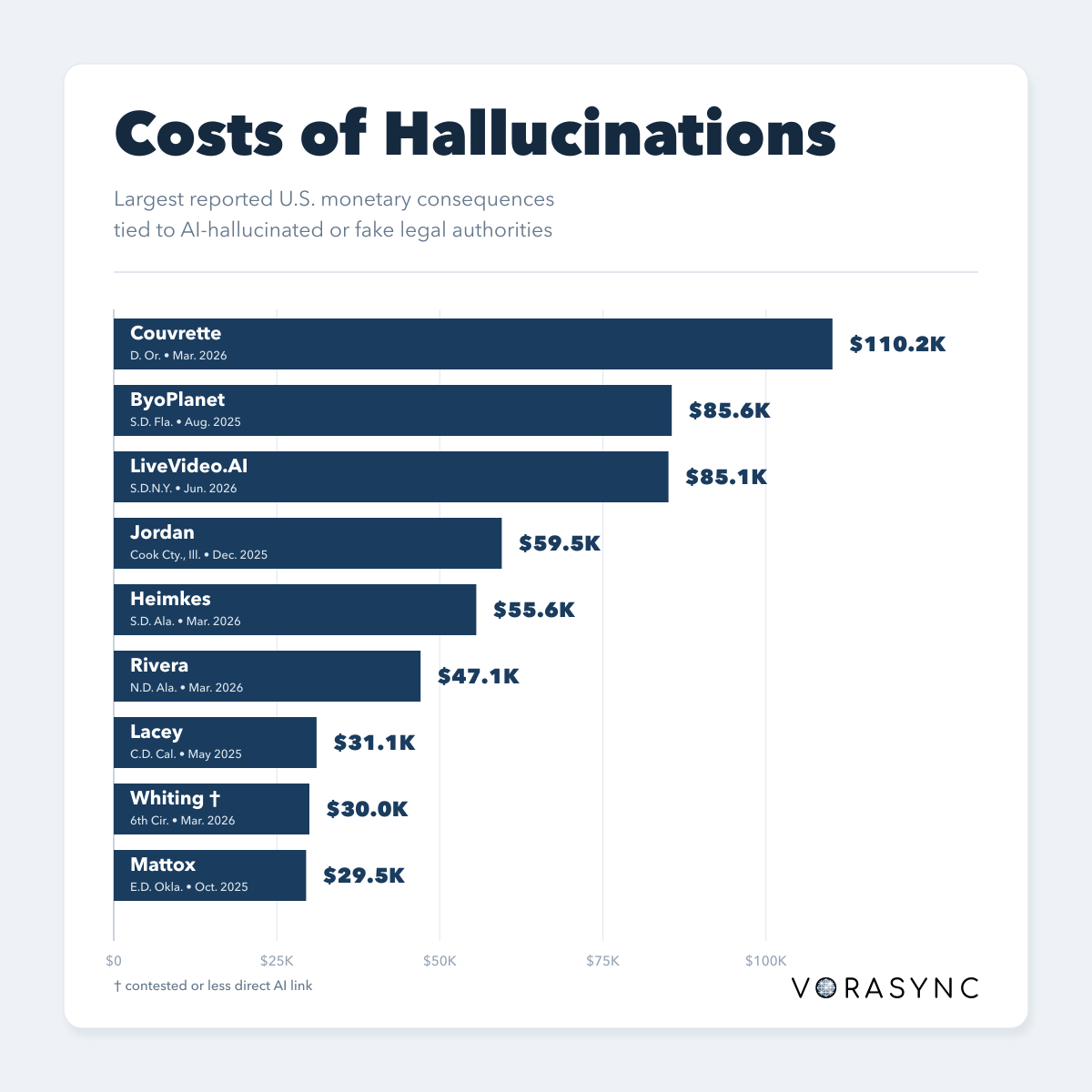
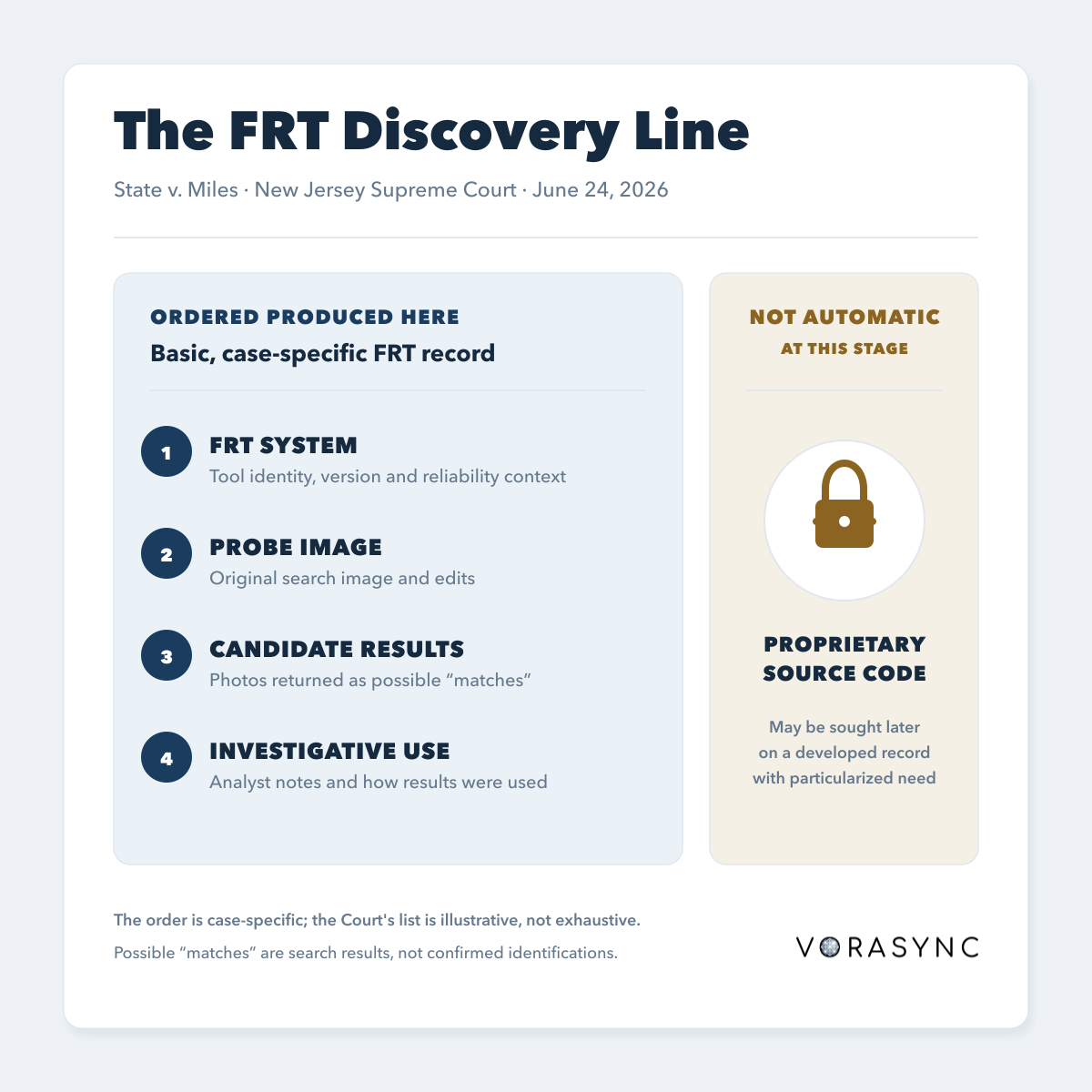
Cambridge City Hall in Cambridge, Massachusetts, with its clock tower rising above the main entrance.Issue 38ShotSpotter, Too?Read →Column chart showing U.S. launch and list prices for NVIDIA 6000-class workstation GPUs rising from $4,650 in December 2020 to $16,000 in August 2026.Issue 37Dearth of Drone Law; Local Machines, Local ModelsRead →Supplement 09Federal and State Drone RulingsRead →Bar chart showing the new drone tariffs by category: 100 percent for sensitive drones, 25 percent for smaller drones and parts, 15 percent for specified allies, and 10 percent for qualifying United Kingdom products.Issue 36Fresh Tariffs on Drones; Cyber Risk WideningRead →Timeline chart using the OpenAI, Anthropic and Meta logos to show when their reported cybersecurity incidents became public: July 21, July 30 and August 6, 2026.Issue 35Breaking the Internet Bonds; Municipal MalwareRead →Polling chart showing that Americans see promise in medical AI but remain wary: 60 percent would be uncomfortable with AI in their own healthcare, 40 percent think it would reduce provider mistakes, and 75 percent worry providers will move too fast.Issue 34AI Listening to Depositions; Shakeup at DeepMindRead →Horizontal bar chart showing notable AI models since 2023 by the originating organization’s country: 228 for the United States, 109 for China, 14 for South Korea, 10 each for France and the United Kingdom, and 9 for Singapore.Issue 33DNA Files at Risk; Five Louisiana AI Laws Take HoldRead →Bar chart comparing the token counts of five named English editions: the King James Bible, the Pickthall Quran, the Edwin Arnold Bhagavad Gita, the Max Muller Dhammapada and the James Legge Tao Te Ching.Issue 32Water Systems Attacked; xAI Tests Another Legal FrontRead →Bar chart comparing Kirkland and Ellis's planned $500 million internal AI build with single 2026 funding rounds for four businesses that combine AI software and legal services: $120 million for Norm AI and Norm Law, and $60 million each for Crosby, Manifest OS and Manifest Law, and Lawhive.Issue 31AI Preemption in Texas; Agents on the Non-Emergency LineRead →Supplement 08Police Non-Emergency Call IntakeRead →Horizontal bar chart comparing how long selected mathematics problems remained unresolved, highlighting Anthropic Fable and OpenAI GPT-5.6 Sol on the two problems resolved in 2026.Issue 30Peeking Behind the Report-Writing Curtain; Transcript TroubleRead →List of the 13 technologies covered by the ACLU of Massachusetts model discovery motions, plus one generalized motion for tools not yet identified.Issue 29Motion Bank for MA Defenders; Body Cam TranslatesRead →Bar chart showing the leading uses of AI chatbots for news across 45 markets in 2026: follow-up questions, latest news, summaries, source-reliability checks and easier explanations.Issue 28User Sued by xAI; UAE Whitelisted for AI ExportsRead →Bar chart showing maximum unified memory in Apple Ultra chips rising from 128 gigabytes in the M1 Ultra to a rumored 1.5 terabytes in the M7 Ultra.Issue 27Hash-Match Split Deepens; CJIS 6.1 ArrivesRead →Chart comparing Illinois and proposed federal reporting deadlines for critical AI safety incidents: 72 hours under Illinois law, 15 days under the federal discussion draft, and 24 hours under both for an imminent risk of death or serious injury.Issue 26Robotaxis at Emergency Scenes; Two AI Incident ClocksRead →Chart showing 3,558 SFPD drone deployments from January through May 2026, with monthly totals ranging from 678 to 776.Issue 25More States Adding AI Ethics Rules; San Francisco Drone DeploysRead →Chart showing how many full copies of classic law-school opinions fit inside a one-million-token AI context window.Issue 24U.S. Lifts Export Controls; Token-Counting International ShoeRead →Chart showing the largest reported U.S. monetary consequences tied to AI-hallucinated or fake legal authorities.Issue 23SCOTUS Rules on Geofence Warrants; Top Hallucination CostsRead →Editorial graphic showing the case-specific facial-recognition discovery ordered produced in State v. Miles, while proprietary source code was not automatically required at that stage.Issue 22Defense Gets Basic FRT Info in NJ; AI Lawyer Prepares TrialRead →

19 recent publications
Complete archive38 issues · 9 Supplements
  1. Issue 38ShotSpotter, Too?
  2. Issue 37Dearth of Drone Law; Local Machines, Local Models
  3. Supplement 09By requestFederal and State Drone Rulings
  4. Issue 36Fresh Tariffs on Drones; Cyber Risk Widening
  5. Issue 35Breaking the Internet Bonds; Municipal Malware
  6. Issue 34AI Listening to Depositions; Shakeup at DeepMind
  7. Issue 33DNA Files at Risk; Five Louisiana AI Laws Take Hold
  8. Issue 32Water Systems Attacked; xAI Tests Another Legal Front
  9. Issue 31AI Preemption in Texas; Agents on the Non-Emergency Line
  10. Supplement 08$99Police Non-Emergency Call Intake
  11. Issue 30Peeking Behind the Report-Writing Curtain; Transcript Trouble
  12. Issue 29Motion Bank for MA Defenders; Body Cam Translates
  13. Issue 28User Sued by xAI; UAE Whitelisted for AI Exports
  14. Issue 27Hash-Match Split Deepens; CJIS 6.1 Arrives
  15. Supplement 07FreeWhen a Hash Match Counts as a Private Search
  16. Issue 26Robotaxis at Emergency Scenes; Two AI Incident Clocks
  17. Supplement 06FreeFreenet Roundup and the Fourth Amendment
  18. Issue 25More States Adding AI Ethics Rules; San Francisco Drone Deploys
  19. Issue 24U.S. Lifts Export Controls; Token-Counting International Shoe
  20. Issue 23SCOTUS Rules on Geofence Warrants; Top Hallucination Costs
  21. Supplement 05FreeTaking Geofence Location Data Is a Search
  22. Issue 22Defense Gets Basic FRT Info in NJ; AI Lawyer Prepares Trial
  23. Supplement 04$99AI Evidence Rules: Machine Outputs, Deepfakes, and the Federal Draft Rules
  24. Issue 21AI in the Department; Connecticut Passes Sweeping Regulation
  25. Issue 20Child Safety and Chatbots; Mixed Bag on AI Discovery Rulings
  26. Issue 19U.S. Abruptly Shutters New AI Model; Deepfakes in Schools
  27. Issue 18Novel Safety Controls on New AI; Solo Builder Boom
  28. Issue 17AI Arriving in Waves; "Sovereign" as Tech Term
  29. Issue 16AI Leaders Watching Out for Biotech; Scam Enforcement Progress
  30. Issue 15AI in Expert Workflows; Child Safety Bill Battle
  31. Supplement 03FreeWhen an Expert Team Used AI to Search Case Documents
  32. Issue 14AI Reports Met Officers; Law-Firm Spend Rising
  33. Issue 13AI Sanctions Follow; AI Therapy
  34. Supplement 02FreeWhen AI Sanctions Followed The Lawyer
  35. Issue 12Smart Glasses in Court; More Death Suits
  36. Issue 11AI for Probation; More Buzzwords
  37. Issue 10Six Minutes to Attack; $8 Million AI Music Fraud
  38. Issue 09Changing Professional Conduct; Deepfakes Abound
  39. Issue 08AI Disrupts Murder Appeal; Reverse Turing Test
  40. Supplement 01FreeWhen False Law Became a Court Order
  41. Issue 07AI Turned Academic; Pet Scams Spreading
  42. Issue 06When Agents Confess; The $10,000 Soulmate
  43. Issue 05AI-Washing Crackdown; CSAM Reports Spike
  44. Issue 04Florida Probes ChatGPT; Connecticut Pauses AI Reports
  45. Issue 03An AI at the Other End; CJIS 6.1 on the Horizon
  46. Issue 02Powerful New AI Models; Old Routers at Issue
  47. Issue 01Ohio Obtains First Conviction; AI Blunder in North Dakota

Contact

Talk directly with Grant.

For a demonstration or a closer look at the work, send a short email.

Request a demonstrationintake@vorasync.ai+1 (216) 318-7810
Do not send sensitive records by ordinary email. Describe the problem first.