Ohio and Rhode Island are among the latest states whose legal ethics authorities have formally weighed in on lawyers' use of AI. In Ohio, the state's Board of Professional Conduct issued a nonbinding ethics guide for lawyers and judicial officers. Rhode Island acted through a Supreme Court rule amendment plus interim guidelines, a more formal move. Both warn lawyers and judges that AI use must remain subject to the most rigorous of existing professional rules, while Rhode Island also adds potential reporting duties around opposing counsel's use of AI.
The federal government's central procurement agency (GSA) is seeking comment on a proposal to require safeguards from AI vendors whose large language model systems process government data. Earlier this year, the agency updated its own rules, providing a model for state and local governments looking to integrate AI more permanently. Comment on the GSA proposal closes August 3, 2026.
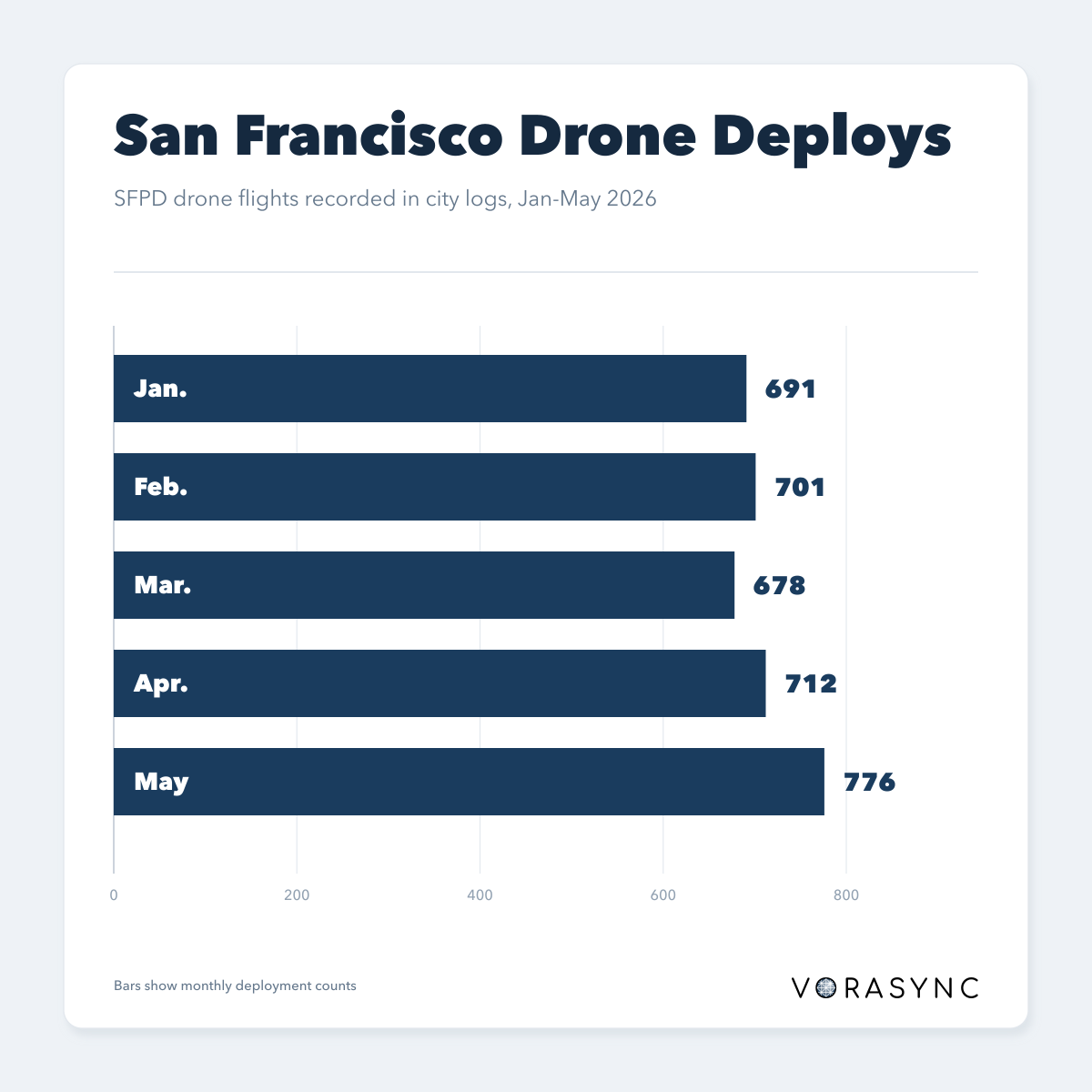
Nassau County, New York, is launching a drone-as-first-responder program using asset forfeiture funds. (Long Island Life & Politics)
Motorola Solutions is expanding its AI tools for 911 centers. (Urgent Communications)
A U.S. magistrate judge in Florida proposed a 10-part framework for updating court rules around AI-generated evidence. (Southern District of Florida Blog / Journal of Technology Law & Policy)
Albany law school is making AI training mandatory for incoming law students. (Times Union)
Fixed, finite guardrails will never be able to block every possible adversarial AI prompt, NIST says, complicating claims that AI systems can be made permanently safe. (NIST / IEEE Security & Privacy)
A bitcoin-mining company is pivoting into AI infrastructure. (Reuters)
The Chinese Communist Party is locking down AI companions that could compete with state-authorized relationships and narratives. (South China Morning Post)
About Plain Thinking
Grant Morgan is an attorney, former prosecutor and former Tribune Publishing reporter who covered Gary, Indiana, and Chicago’s northern suburbs. Plain Thinking covers AI and consequential technology affecting lawyers, police and courts.
Every Tuesday and Friday · Get Plain Thinking by email · LinkedIn
If an issue includes paid placements, they’ll be clearly labeled. Companies don’t pay for editorial inclusion.